
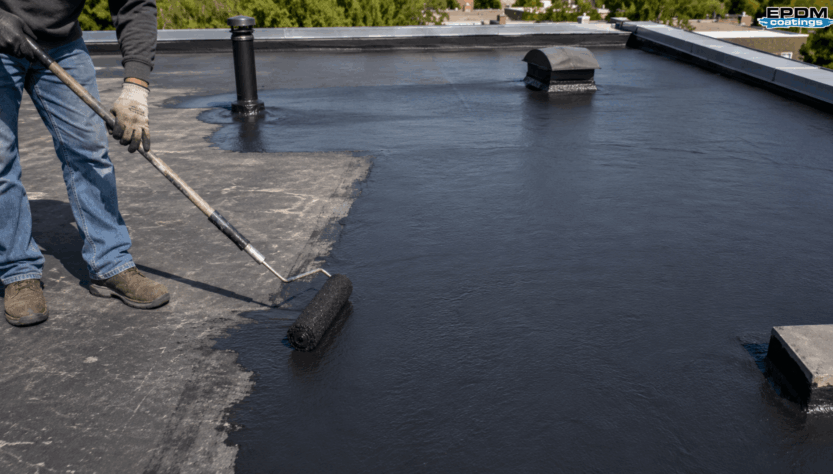
A leaking roof does not always mean it is time for a complete replacement. For many buildings with EPDM rubber roofing systems, leaks often begin with small issues such as aging seams, surface cracks, worn areas, or damaged flashing points. If the roof membrane is still in good condition, repairing the problem areas can restore protection and help extend the life of the existing roof.
Replacing an entire roof can be expensive, time-consuming, and disruptive. That is why many property owners look for a reliable solution that lets them repair and protect their existing roof rather than removing everything and starting over.
With the right products and preparation, an epdm roof repair can be a practical way to stop leaks, strengthen vulnerable areas, and add another layer of waterproof protection.
Why EPDM Rubber Roofs Develop Leaks Over Time
EPDM rubber roofs are designed to handle outdoor conditions, but like any roofing material, they are exposed to years of sun, rain, temperature changes, and weather movement. Over time, these conditions can cause wear in certain areas.
The most common places where EPDM roof problems appear include:
- Roof seams and joints
- Areas around vents, pipes, and rooftop equipment
- Flashing connections
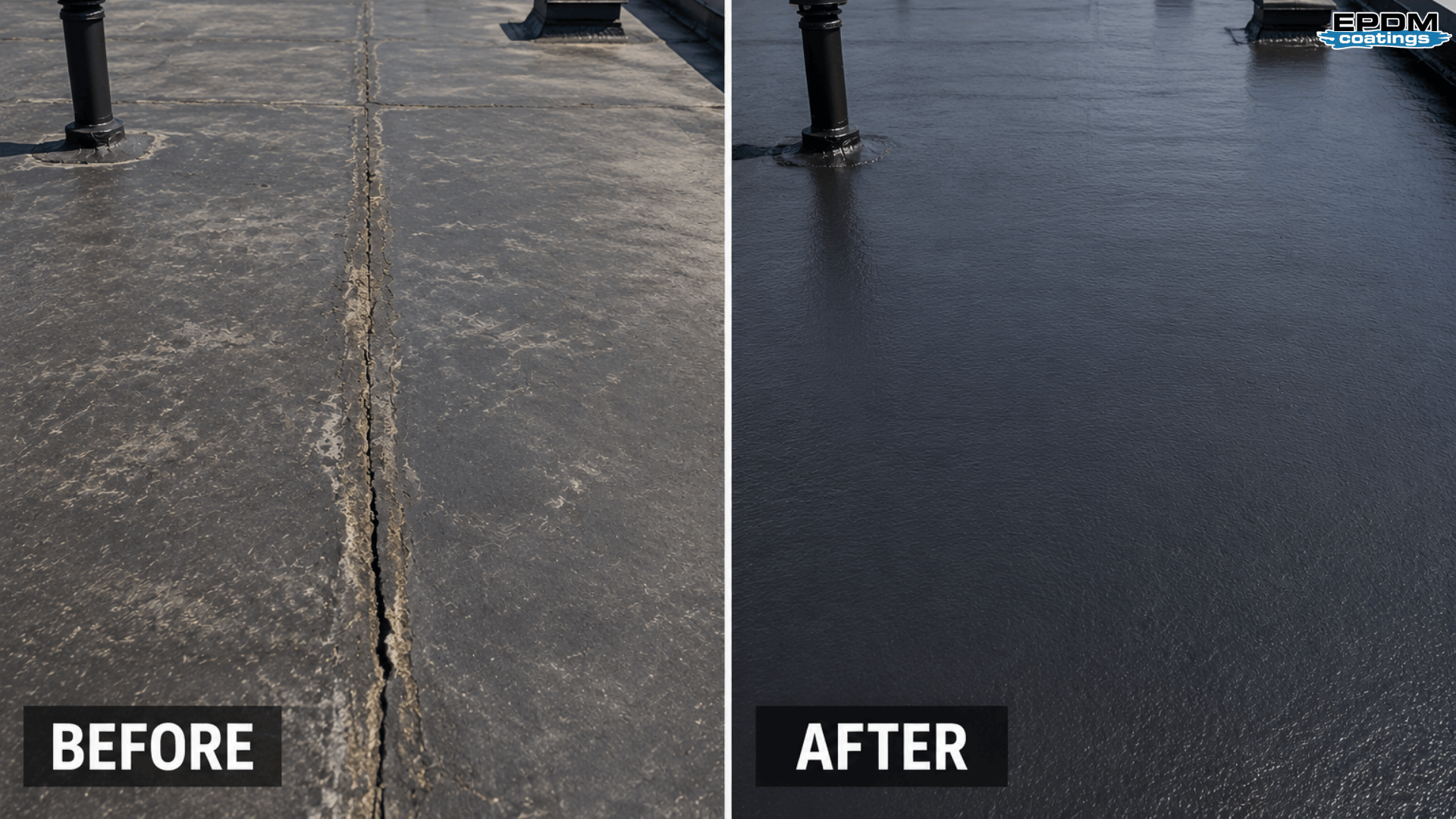
- Small cracks or surface damage
- Areas where previous repairs have failed
Many leaks are not caused by the roof failing. Instead, water often finds its way through a weak point and travels underneath the surface before becoming visible inside the building.
This is why identifying the source of the leak early is important. A small repair today can prevent much larger damage in the future.
Repair Instead of Replacing Your Entire Roof
When an EPDM roof starts leaking, many people immediately think about a complete roof replacement. While replacement may be necessary for severely damaged roofing systems, it is not always the only option.
If the existing EPDM membrane is still structurally sound, applying a high-quality roof repair solution can help restore waterproofing without removing the entire roof.
EPDM Coatings provides solutions designed to repair and protect rubber roofing surfaces. Instead of covering up the problem temporarily, the right coating system helps create a durable waterproof barrier over damaged areas.
A proper repair approach can help:
- Reduce the risk of future leaks.
- Protect the existing roof membrane.
- Extend the roof’s service life.
- Avoid unnecessary replacement costs.
The key is to use a product designed specifically for roofing applications and to follow the correct preparation process.
Preparing the Roof Before Applying Any Repair Product
The success of any roof repair depends heavily on preparation. Even the best coating will not perform properly if it is applied over dirt, moisture, or loose material.
Before starting an EPDM repair project, the roof surface should be inspected carefully. Remove dirt, debris, loose coating, and anything that could prevent proper adhesion.
Look closely at:
- Cracked areas
- Loose seams
- Damaged flashing
- Previous repair locations
- Areas where water may collect
The roof should be clean and dry before applying any repair material. Taking extra time during preparation helps build a stronger bond and improves the repair’s long-term performance.
Using Liquid Butyl Rubber for EPDM Roof Repair
One effective solution for repairing and waterproofing roofing surfaces is liquid butyl rubber. Butyl rubber is known for its flexibility, strong adhesion, and waterproof properties, making it suitable for applications where movement and exposure to weather are concerns.
Unlike rigid materials that can crack when the roof expands and contracts, liquid butyl rubber remains flexible after curing. This flexibility allows it to move with the roof surface while maintaining a protective waterproof layer.
Liquid butyl rubber can be used for various repair applications, including:
- Sealing roof cracks
- Repairing seams
- Waterproofing problem areas
- Protecting worn roof surfaces
For EPDM roofs, flexibility is especially important because rubber membranes naturally expand and contract with temperature changes. A repair material needs to accommodate that movement rather than become brittle over time.
Choosing the Right Roof Sealant for Long-Term Protection
Not all sealants are created for the same purpose. A standard household sealant may work for small temporary fixes, but roofing systems require products designed to handle constant outdoor exposure.
A high-quality roof sealant should provide:
- Strong waterproof protection
- Good surface adhesion
- Flexibility after curing
- Resistance to weather conditions
The goal is not only to stop water from entering today. The goal is to create a repair that continues protecting the roof as conditions change throughout the year.
When selecting a roof sealant, always consider the existing roof material and whether the product is compatible with EPDM surfaces.
Common Mistakes to Avoid During EPDM Roof Repair
Many roof repair problems stem from improper application rather than product failure. Avoiding a few common mistakes can make a major difference.
Applying Over a Dirty Surface
Dust, oils, and debris can prevent proper adhesion. Always clean the repair area before applying any coating or sealant.
Ignoring Small Damage Areas
A small crack or weak seam can become a larger problem when exposed to rain and moisture. Inspect the entire roof instead of focusing only on the visible leak.
Using the Wrong Repair Material
Every roofing material has different requirements. Using a product that is not designed for rubber roofing may result in poor performance and repeated repairs.
Rushing the Drying Process
Allow the repair material enough time to cure before exposing it to heavy weather or water.
Extend the Life of Your EPDM Roof
Regular inspections and timely repairs can significantly affect how long an EPDM roof lasts. Instead of waiting until a leak causes interior damage, property owners can address problems before they become serious with routine maintenance.
A good maintenance routine includes:
- Checking seams and edges regularly
- Inspecting after severe weather
- Cleaning the roof surface
- Repairing small issues before they grow
Roof maintenance is not just about fixing problems. It is about protecting the investment you already made in your building.
Final Thoughts
A leaking EPDM rubber roof does not automatically mean you need a complete replacement. In many situations, repairing damaged areas with the right products can restore waterproofing and extend the roof’s service life.
By identifying the source of the leak, preparing the surface correctly, and using reliable solutions such as liquid butyl rubber and a quality roof sealant, you can address common EPDM roofing problems without the cost and disruption of a full replacement.
A proactive approach to roof repair can help protect your building, reduce maintenance expenses, and keep your roof performing for years to come.