
If you’ve ever walked onto an old EPDM roof and noticed cracked seams or flaky sealant, you’re not alone. It’s honestly one of the most common things people run into with rubber roofing. And the first reaction most people have is: “Do I need to replace the whole roof now?”
In most cases – no, you really don’t. Many EPDM roofs that look “tired” are still structurally fine. The real problem is usually just the seams, edges, or old sealant giving up over time. And that’s exactly where a proper roof sealant or roof coating system can step in and save the roof. Let’s break it down in a simple way.
Why EPDM roofs start leaking (even when they still look fine)
EPDM is a strong material. It can handle heat, rain, cold – all of it. But the weak point isn’t the rubber sheet itself most of the time.It’s the joints.
Over the years, this is what usually happens:
- The seam sealant dries out and cracks.
- Edges slowly start lifting a little
- UV exposure weakens older coating layers.
- Water sits in low areas too long.
- Small past repairs start failing again.
And the tricky part is – none of this looks serious at first. You might not even notice it until water finally finds a way inside. That’s why simple roof repair work done early makes such a big difference.
Small signs people usually ignore (but shouldn’t)
Before a leak becomes obvious indoors, the roof usually gives hints. You have to know what to look for:
- Thin cracks along seams
- Old caulking looking dry or split
- Slight bubbling near edges
- The roof looks faded or chalky.
- Random damp patches under the membrane
Nothing dramatic. That’s the problem. Most people ignore it until it becomes a ceiling stain. A little roof sealant at the right time can prevent all of that.
Step 1: Don’t rush – check the roof properly first
Before doing anything, take your time and walk the roof.
Look around slowly and focus on:
- Seams (this is where most issues are)
- Corners and edges
- Around vents or skylights
- Any patchwork done earlier.
- Areas where dirt collects
Once you’ve identified the weak spots, clean them properly. And I mean clean – not just a quick wipe.
Because any dust or dirt left behind will mess up adhesion later. Whether you’re using a roof coating or sealant, this step decides how long your repair will actually last.
Step 2: Fixing cracked seams (this is where leaks usually start)
Seams are usually the first thing to fail on an EPDM roof. You’ll often see old sealant cracking like dry paint. Here’s the simple way to handle it: First, remove anything loose or peeling. Don’t just layer over it. Then clean the seam area properly so it’s smooth and ready.
After that:
- Apply a fresh, even layer of roof sealant.
- Press it into the seam properly.
- Make sure there are no gaps or bubbles.
- Let it cure fully (don’t rush this part)
This step alone fixes a huge percentage of EPDM leaks. It’s not complicated- it just needs patience.
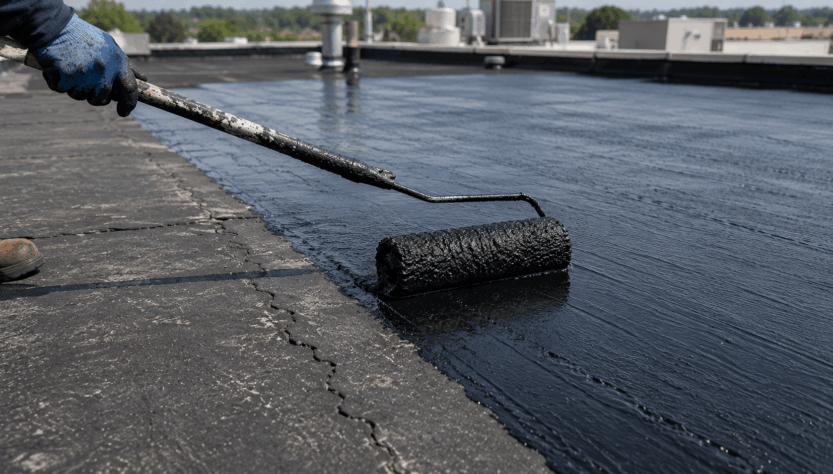
Step 3: Adding roof coating (this is what protects everything)
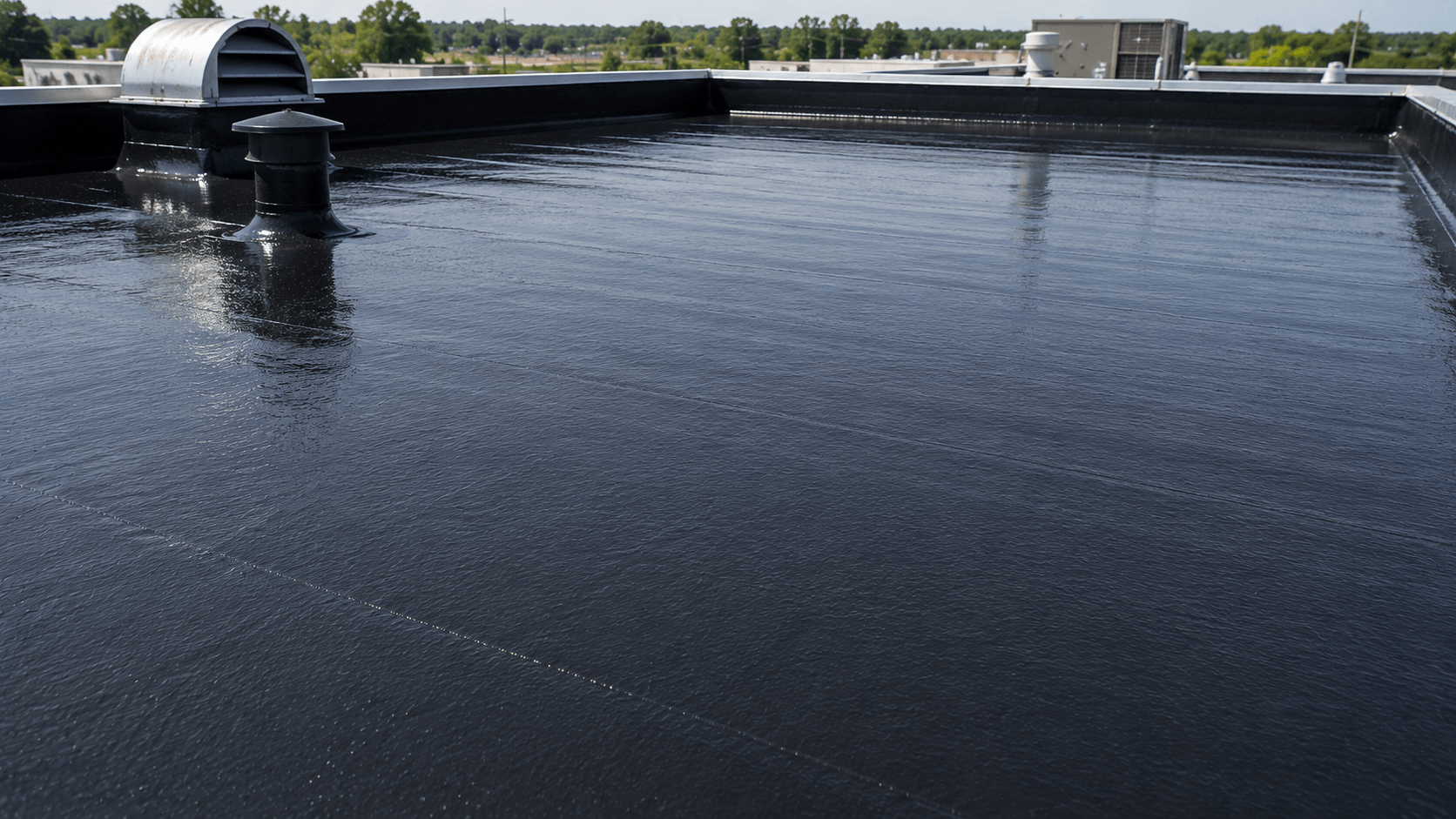
Once seams are sorted, this is where things get more serious in a good way. A full roof coating is a protective layer that covers the roof and ties everything together.
Think of it like giving your roof a second skin.
It helps with:
- Sealing tiny surface cracks
- Blocking UV damage
- Improving waterproofing
- Extending roof life significantly
Without coating, you’re basically just fixing one spot at a time. With coating, you’re protecting the whole system. You can explore EPDM-focused solutions here: EPDM Coatings.
Step 4: How to make sure you don’t deal with this again too soon
Roof repair isn’t just about fixing what’s broken today. It’s also about not repeating the same problem next year.
A few simple habits help a lot:
- Check the roof twice a year (spring and fall are ideal)
- Keep the surface clean and free of debris.
- Don’t let water sit for long periods.
- Recoat when the surface starts looking dull
- Fix small seam issues immediately.
Honestly, most major roof problems start as something tiny that gets ignored.
Do you really need a full replacement? Usually not.
This is where people get surprised.
A full replacement is only needed when:
- The membrane is torn across large areas.
- The insulation underneath is damaged.
- Water has caused structural rot.
- Repairs have already failed multiple times.
If none of that is happening, you’re usually fine with proper roof repair, sealant work, and a good coating system. Replacing the whole roof is often overkill when the base is still solid.
Mistakes that make repairs fail (very common ones)
Even good products fail if the basics are ignored.
These are the usual mistakes:
- Applying sealant on a dirty surface
- Skipping seam prep
- Using the wrong type of material
- Not letting the curing time complete.
- Applying the coating too thin
Most failed repairs aren’t product issues – they’re process issues.
The simple way to think about EPDM roof life
If you want to keep it simple, think of it like this:
- Seams are the weak points.
- Sealant fixes the weak points.
- Coating protects everything
- Maintenance keeps it working long-term.
That’s really it.
You don’t need complicated systems or overthinking. Just the right roof sealant, a proper roof coating, and timely roof repair work.
Final thoughts
Most EPDM roofs don’t fail suddenly. They slowly warn you – cracked seams, small leaks, fading surface. If you catch those early, you can usually avoid replacement completely. A bit of cleaning, proper seam repair, and a solid coating system can easily extend roof life by years. And if you’re looking for EPDM-focused repair systems, everything is available here: EPDM Coatings.
The key takeaway is simple:Don’t wait for leaks to show inside. Fix the roof when it first starts showing signs outside.